Workplace Safety: Essential Tips for Every Worker
Workplace safety is one of the most important responsibilities in any industry. No matter the size of the company or the type of job, creating a safe working environment protects employees, improves productivity, and reduces the risk of injuries that can affect both workers and businesses long term.
One of the most common causes of workplace accidents is lack of attention to basic safety practices. Workers sometimes become comfortable with daily routines and overlook small hazards that later lead to serious problems. Simple actions such as wearing proper protective equipment, checking tools before use, and keeping work areas organized can significantly reduce risks.
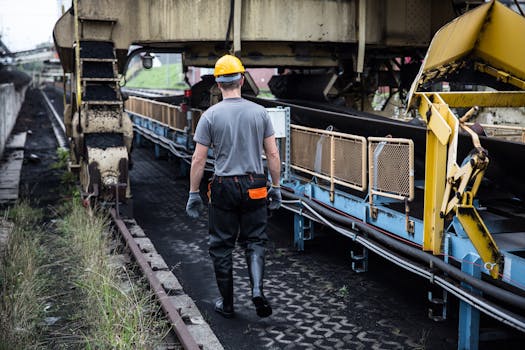
Personal protective equipment plays a major role in workplace safety. Helmets, gloves, safety glasses, reflective clothing, and steel toe boots are designed to protect workers from common job site hazards. Choosing the correct protective gear for the specific environment is essential. Safety equipment should fit properly, remain in good condition, and be used consistently throughout the workday.
Communication is another critical part of a safe workplace. Employees should always feel comfortable reporting hazards, damaged equipment, or unsafe conditions without hesitation. Strong communication between workers and supervisors helps prevent accidents before they happen. Regular safety meetings and clear workplace procedures also help build a stronger safety culture within teams.
Training is equally important. Workers should understand how to properly use equipment, respond to emergencies, and follow safety protocols for their specific roles. Even experienced employees benefit from ongoing safety reminders and updated training sessions as workplace conditions evolve.
Mental and physical fatigue can also increase the chance of workplace accidents. Long hours, stress, and lack of rest often reduce concentration and reaction time. Employers who encourage proper breaks and healthier working conditions usually create safer and more productive environments overall.
Clean and organized job sites are often safer job sites. Tools left on the floor, blocked walkways, poor lighting, and cluttered work areas can quickly become hazards. Maintaining cleanliness and organization helps workers move safely and work more efficiently.
Safety should never be viewed as just a requirement or regulation. A strong safety culture protects people, improves morale, reduces downtime, and creates a more professional workplace environment. Every worker, regardless of position or experience level, plays an important role in maintaining workplace safety every single day.